Creating a Personal Learning Plan for 2025
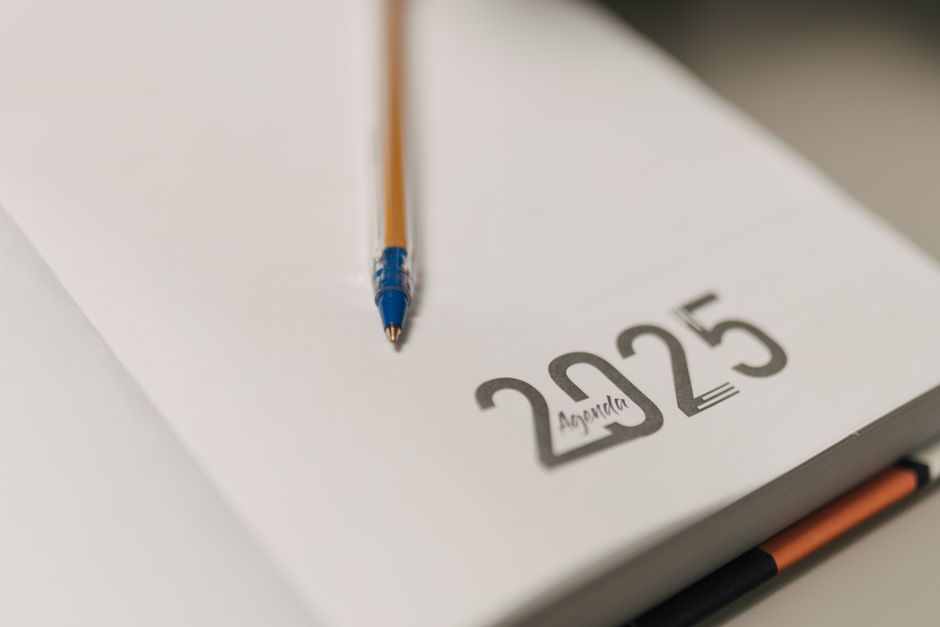
As we approach a new year, many individuals consider how to approach self-improvement and skill development. A personal learning plan serves as a structured roadmap that can guide your educational journey throughout 2025. Such a plan can help you prioritize your goals, manage your time effectively, and select the most suitable resources for your needs. This article outlines a process for creating a personal learning plan that aligns with your lifestyle and aspirations.
Developing a learning plan is not merely about listing topics you wish to study. It involves a thoughtful analysis of your current situation, a clear definition of what you want to achieve, and a realistic assessment of the time and resources you can dedicate. By following a systematic approach, you can design a plan that is both flexible and robust, capable of adapting to the inevitable changes that occur over a year.
Defining Your Learning Goals with the SMART Framework
Setting well-defined goals is the foundation of any effective learning plan. The SMART criteria—Specific, Measurable, Achievable, Relevant, and Time-bound—provide a useful framework for this purpose. When you set SMART goals, you clarify what you want to accomplish, how you will measure progress, and within what timeframe. This clarity helps maintain motivation and focus.
For instance, instead of setting a vague goal like “learn a new language,” a SMART goal would be “achieve conversational proficiency in Spanish by December 2025, measured by completing a B1-level course and holding a five-minute conversation with a native speaker.” Such specificity allows you to break the goal into smaller, actionable steps. It also makes it easier to track your progress and adjust your plan as needed.
When defining your goals, consider your reasons for learning. Are you learning for professional development, personal interest, or both? Understanding your motivations can help you set goals that are truly relevant to your life. Additionally, it is important to set goals that are challenging yet achievable given your other commitments. Unrealistic goals can lead to frustration and abandonment of the plan.
Finally, remember that goals can evolve. As you learn more, you may discover new interests or opportunities. A personal learning plan should be a living document that you review and revise periodically. The SMART framework provides a structure, but it does not confine you; it can be adapted to reflect your changing circumstances.
Allocating Time Slots for Consistent Learning
Time is a finite resource, and allocating it deliberately is crucial for successful learning. Consistency often matters more than the total number of hours spent. Short, regular study sessions are generally more effective than occasional marathon sessions because they help reinforce learning and prevent burnout.
Begin by conducting a time audit of your typical week. Identify periods that are currently underutilized, such as commutes, lunch breaks, or early mornings. You do not necessarily need to carve out large blocks of time; even 20-minute sessions can be productive if used consistently. The goal is to create a schedule that feels manageable and sustainable.
Once you have identified potential time slots, decide how many hours per day or week you can realistically dedicate to learning. A common recommendation is to start small, perhaps 15-30 minutes per day, and gradually increase as the habit becomes established. Consistency is key; it is better to study a little every day than to spend several hours once a week.
To make the most of your allocated time, consider using techniques like the Pomodoro Method, which involves working in focused intervals with short breaks. This can enhance concentration and reduce fatigue. Additionally, it is helpful to designate a specific learning space, free from distractions, where you can focus on your materials. Over time, this environment becomes associated with learning, making it easier to get into the right mindset.
Remember that a learning plan is not about packing more into your day; it is about using your existing time more intentionally. Even small, consistent efforts can lead to significant progress over the course of a year.
Selecting the Right Learning Resources
The choice of learning resources can significantly influence the effectiveness of your study. With the abundance of online courses, books, podcasts, and other materials, it is essential to select resources that align with your learning style and goals. High-quality resources can provide structured content, expert guidance, and opportunities for practice.
Start by researching options in your area of interest. Look for reviews, recommendations, or sample content to gauge the quality and relevance. Consider whether you prefer video lectures, interactive exercises, or reading materials. For skill-based learning, resources that offer practical projects or real-world applications can be particularly valuable.
SkillBridge Learning offers a range of courses designed for self-directed learners, with many options that allow you to learn at your own pace. However, regardless of the provider, it is important to examine the curriculum, instructor credentials, and the format of the course. Free resources, such as open educational platforms or library offerings, can also be excellent starting points.
Another aspect to consider is the community around a resource. Forums, study groups, or social media communities can provide support, motivation, and opportunities for discussion. Engaging with other learners can enhance understanding and provide accountability. When selecting a resource, think about whether it offers such supplementary materials.
Diversifying your resources can also be beneficial. Combining a structured course with supplementary readings or podcasts can provide different perspectives and reinforce concepts. However, be cautious about overloading yourself with too many resources, which can lead to overwhelm. Start with a core set of materials and expand only if you find it necessary.
Creating a Study Routine and Tracking Progress
Once you have set goals, allocated time, and chosen resources, the next step is to establish an effective study routine. A well-structured routine can help you stay on track and make progress steadily. It involves planning how you will use your study sessions, whether you will follow a linear progression through a course or revisit topics based on your comprehension.
One common approach is to break down your goals into weekly or monthly milestones. For example, if your goal is to complete a 12-week course, you might aim to finish one module per week. This creates a sense of structure and allows you to measure progress. At the start of each week, write down the specific tasks you plan to complete, and at the end of the week, reflect on what you have accomplished.
Tracking your progress is also essential. You can use a spreadsheet, a journal, or a simple checklist to record your completed sessions and milestones. Visualizing your progress can be motivating, and it makes it easier to identify patterns that help or hinder your learning. If you notice that you are consistently falling behind, you can adjust your schedule or break your goals into smaller steps.
Moreover, periodic reviews are crucial. At the end of each month, take time to evaluate what is working and what is not. Ask yourself questions like: “Is my time allocation realistic?” “Are the resources effective?” “Am I making adequate progress?” Based on your answers, make necessary changes to your plan. Flexibility ensures that your plan remains practical and responsive to your needs.
Staying Flexible and Maintaining Motivation
Even the best-designed plan may encounter obstacles. Life events, unexpected workloads, or shifts in interest can disrupt your schedule. Maintaining flexibility is key to sustaining a long-term learning journey. It is important to accept that some days or weeks will be less productive than others and that this is part of the process.
To stay motivated, connect your learning to a broader purpose. Remind yourself of the reasons you set your goals and the benefits you expect to gain. Celebrating small achievements, such as completing a module or mastering a difficult concept, can also reinforce your commitment. Additionally, altering your study methods occasionally, such as trying a new resource or studying with a friend, can rekindle interest.
Another effective strategy is to integrate learning into your daily life. For example, if you are learning a language, you might label household items in that language or listen to music in it. This creates a continuous exposure that supplements your formal study sessions. The goal is to make learning a natural part of your routine rather than a separate chore.
If you find your motivation waning, it may be helpful to revise your plan. Perhaps your goals were too ambitious, or your resources are not engaging enough. Adjusting your expectations and choosing alternative approaches can prevent burnout. Remember that a personal learning plan is a tool to support you, not a rigid contract. It should be adapted to serve your evolving needs.
In conclusion, creating a personal learning plan for 2025 involves thoughtful planning and ongoing reflection. By setting SMART goals, allocating time slots, selecting appropriate resources, and building a sustainable routine, you can design a plan that integrates with your lifestyle. The process is as important as the outcome, as it fosters an organized approach to learning that can be applied to any subject. As you embark on this journey, keep in mind that flexibility and self-compassion are just as vital as discipline and dedication.